Repeat Customers for Game Assets: Turn One Buyer Into Ten Sales
Somebody bought your asset pack yesterday. You got the notification, felt the little dopamine hit, and moved on. Here is the uncomfortable part: for most sellers, that is the end of the relationship. The buyer imports the pack, ships their prototype, and never thinks about you again. Which is insane when you do the math, because that person was the cheapest sale you will ever make. They found you, they trusted you with their card, and the download did not disappoint. Selling to them a second time costs you nothing. Selling to a stranger costs you a thumbnail, a store page, marketing posts, and a week of doubt.
I spent my first year as a seller chasing new buyers exclusively. New pack, new theme, new audience, every single time. A sci-fi crate pack here, a stylized foliage set there, a UI kit because why not. Each launch started from zero. My tenth pack sold about as well as my first, and I could not figure out why sellers with smaller catalogs were pulling steady monthly income while I was stuck on launch spikes.
The sellers who win are running a series, not a pile
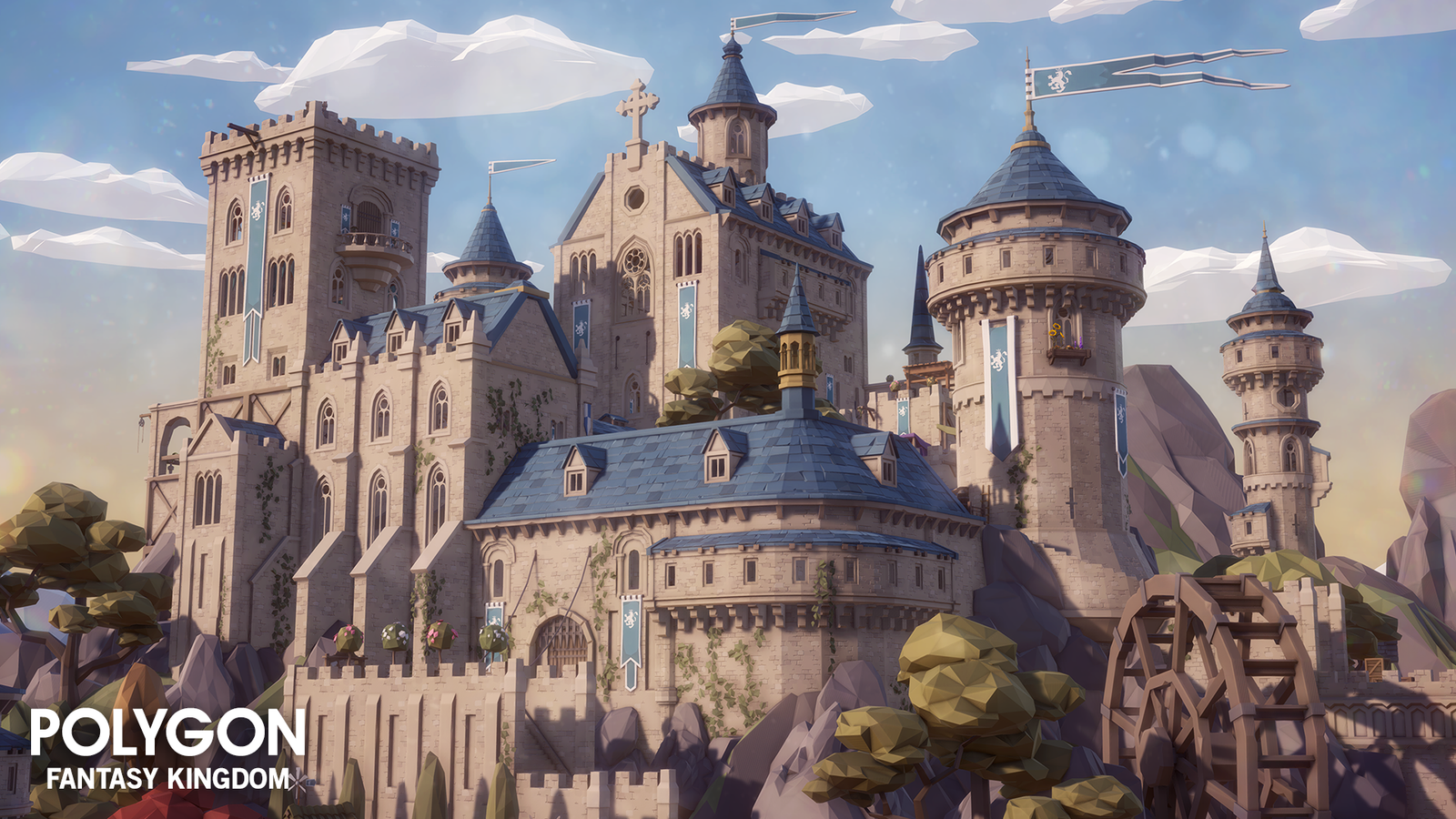
Look at Synty Studios. Their POLYGON line is the most recognizable asset brand in game dev, and almost nobody who owns a Synty pack owns just one. The average Synty customer owns several, sometimes dozens. That is not an accident and it is not because any single pack is untouchable. It is because every pack shares the same palette, the same proportions, the same low-poly language. The City pack sits next to the Fantasy Kingdom pack and nothing clashes. Once your game is built in that style, buying the next POLYGON pack is not a purchase decision anymore. It is a restock.
A buyer's first purchase is a test. Your job is to make sure the second one is a habit.
That is the single best practice this post is about: make every pack you release compatible with the last one, so your catalog becomes an ecosystem instead of a shelf of unrelated experiments. The lock-in works in the buyer's favor too, which is why it does not feel gross. A dev mid-project has a style, a scale, and a pipeline already established. An asset that drops in with zero rework is worth more to them than a prettier asset that needs an afternoon of fixing. You are not trapping anyone. You are removing friction from a decision they already want to make.
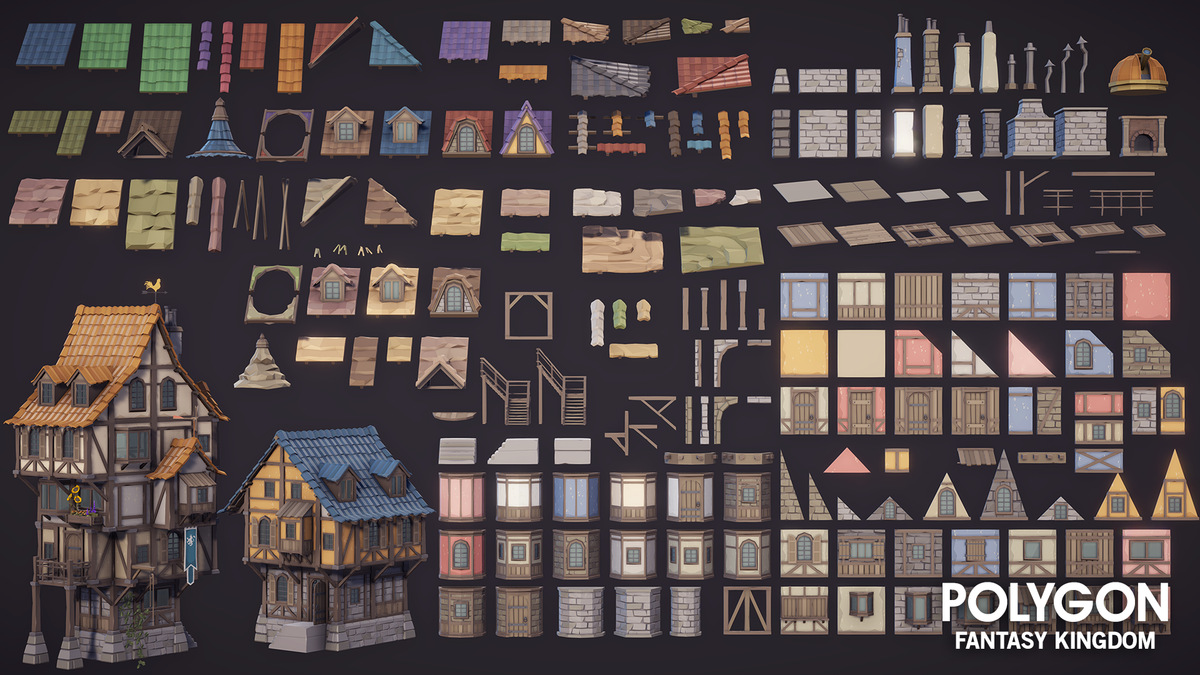
Every piece interchangeable, every piece on-brand. Image from the POLYGON Fantasy Kingdom pack, Synty Store.
What compatible actually means in practice
Compatibility is boring, technical, and it is exactly where most sellers quietly fail. Get these locked before pack two ships:
- Scale. Pick one convention (1 unit = 1 meter is the sane default) and never drift. A buyer who has to rescale your new pack to match your old one will notice, and they will remember.
- Palette and texel density. If your first pack used a 512 gradient atlas and hand-picked hues, your fifth pack should too. Mixed texel density across packs looks amateur the moment assets share a scene.
- Naming and folder structure. SM_Bld_Wall_01 in every pack, forever. Buyers who script against your naming will build tooling around your catalog, and that is the deepest loyalty there is.
- Pipeline parity. Same PBR setup, same LOD counts, same collision approach. If pack one had clean retopo and baked normals, pack two cannot ship with lazy decimation.
- A combined demo scene. This is the killer move almost nobody does. Ship a scene in your new pack that uses meshes from your previous pack. It proves compatibility instead of claiming it, and it quietly advertises the older pack to new buyers.
Plan the lane before you need it
Pick a lane you can live in for two years. Stylized medieval, hard sci-fi interiors, painterly nature, whatever fits your taste and your speed. Then sketch a rough roadmap of five packs before you finish the first one. You do not have to announce it, but knowing that pack three is "village exteriors" changes decisions you make in pack one, like which modular sockets to standardize. Mention the series in every description ("part of the Ironmoor series, all packs share scale and materials") so buyers know more is coming. People pre-commit to ecosystems. Nobody pre-commits to a random crate pack.
The small habits that stack on top
The series is the engine, but a few habits multiply it. Update your old packs when you learn new tricks, because an update notification is a free reminder that you exist. Answer support mail like a human, fast. Bundle old packs with new ones at a discount, which raises your average order and drags your back catalog along with every launch (I wrote up the numbers in how to bundle your game assets). And ask happy repeat buyers for reviews, since they are the ones most likely to say yes (more on timing that ask in how to get reviews on your game assets).
Where you sell this matters more than you think
Here is the thing about repeat buyers: they do not find you through marketplace search, they come back to your store directly. Which means the storefront itself, and the cut you keep on every return visit, starts to matter a lot. This is exactly the case where I would point you at DevLoot. You get a custom storefront with your own branding, so your series actually looks like a series instead of a row of identical grey cards. Verified seller badges do the trust work on first purchase. The fee is 12% on the Free plan and 8% on Pro, so you keep up to 92% of every sale, and on repeat sales (the ones you earned yourself) that difference compounds fast. Payouts go through Stripe Direct Charges, meaning the money from a sale lands with you directly instead of sitting in a marketplace escrow for 30 to 60 days.
If you have one pack out and you are wondering why sales flatlined after launch week, the answer is probably not "make a better pack." It is "make the next pack fit the last one, and give buyers a store worth coming back to." Setting up as a vendor takes a few minutes: start selling on DevLoot, name the series, and treat buyer number one like the first of ten sales. Because if you do this right, that is exactly what they are.