Blog
What we shipped, why we shipped it, and the occasional engineering deep-dive. Short posts. Real updates.
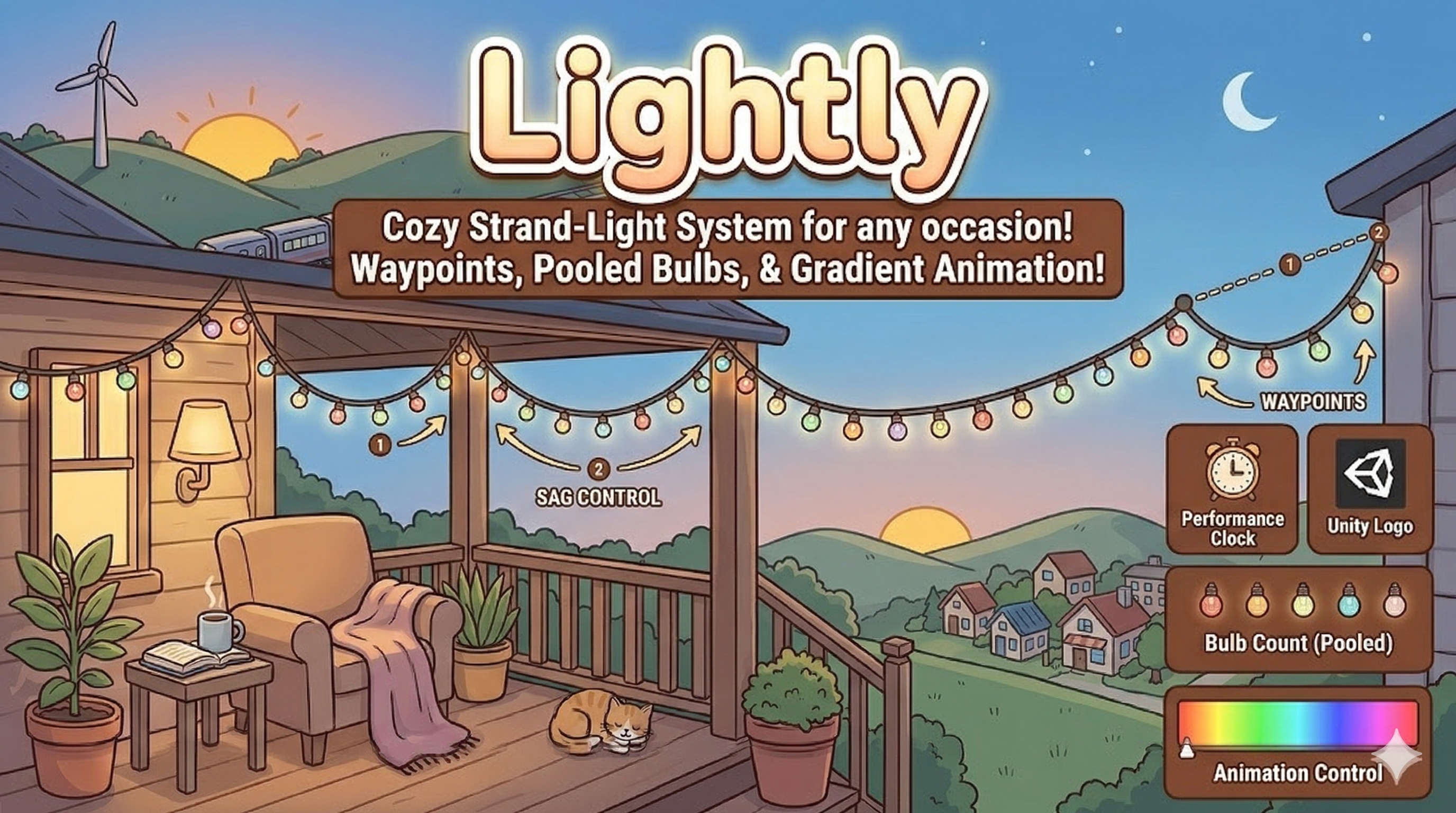
Procedural Hanging Lights in Unity: Stop Hand-Placing String Lights
Hand-placing string lights in Unity wastes hours. See how procedural hanging lights with wire sag, pooling and profiles fix it, free with Lightly.
Read more
TTRPG Worldbuilding Tips: How to Build a Campaign Setting Your Players Care About
TTRPG worldbuilding tips for GMs: build inside out, write secrets not lore, give factions clocks, and let players shape a campaign setting they care about.
Read more
Why Fast Payouts Matter When You Sell Game Assets (and How to Measure Yours)
Why fast payouts matter when you sell game assets: measure your sale-to-bank cash cycle and pick stores that pay you while the launch is still hot.
Read more
Unity VFX Graph vs Particle System: Which One Your Game Actually Needs
Unity VFX Graph vs Particle System: what runs on the GPU, what Shuriken still does better, and the platform gotchas that decide which one you can ship.
Read more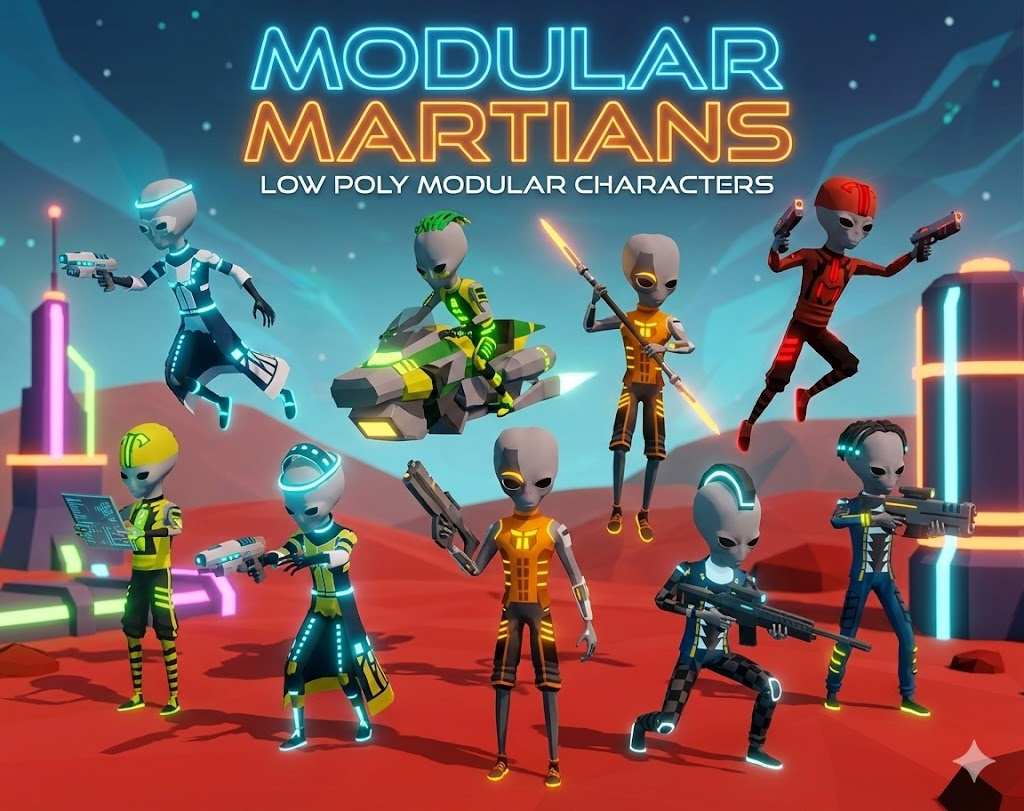
Modular Character Packs for Unity: Fixing NPC Crowds That Look Like Clones
Sci-fi crowds full of copy-paste NPCs kill immersion. Here is how a modular character pack for Unity gives real NPC variety from three swappable parts.
Read more
Unity Input System vs Legacy Input Manager: Which to Use in 2026 (and How to Migrate)
Unity Input System vs the legacy Input Manager in 2026: what changed in Unity 6, which of the three workflows to pick, and a migration order that works.
Read more
NPC Emotions in Unity: Why Your Characters Feel Flat and How to Fix It
NPC emotions in Unity: why boolean mood flags fail, and how a dynamic emotion system gives characters personality, decay and persistent state.
Read more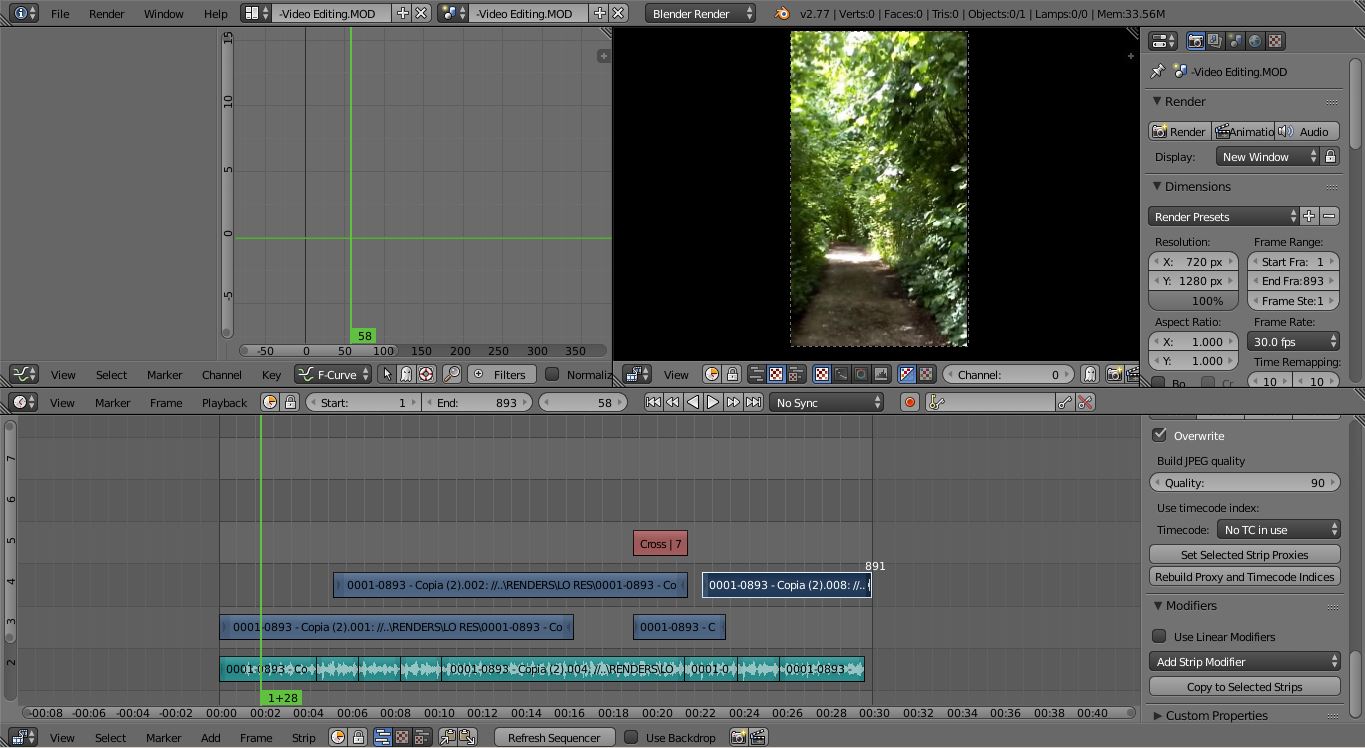
Game Asset Preview Videos: The 90-Second Clip That Sells Your Pack
A game asset preview video answers the one thing screenshots cannot: does this actually work in my engine? Here is how to cut one in an afternoon.
Read more
Unity Pixel Art Setup: Fix Blurry Sprites with PPU, Point Filter and the Pixel Perfect Camera
Unity pixel art looking blurry or shimmering? Here is the real fix: PPU, Point filter, compression off, and the Pixel Perfect Camera set up properly.
Read more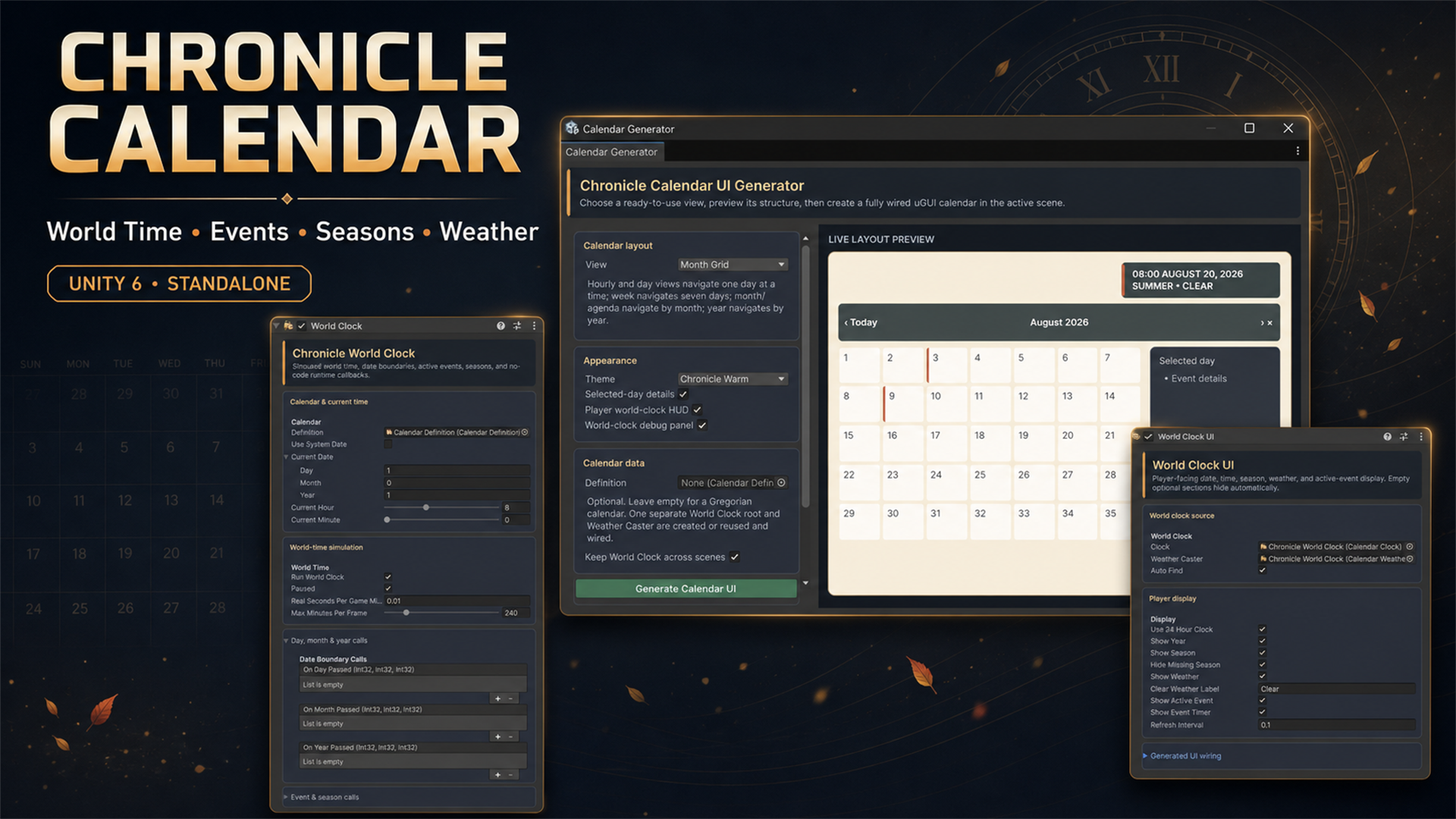
In-Game Calendar for Unity: World Time, Seasons and Weather Without the Rewrite
Building an in-game calendar in Unity? Here is why world time, seasons, weather and scheduled events belong in one system instead of a float.
Read more
PDF vs Print RPG Books: Which Format Should You Buy?
PDF vs print RPG books: which format to buy, when print is worth it, and how to try a new system for a few dollars first.
Read more_02.jpg/1920px-Shoeby_tot_50%25_sale_sign,_Hoogezand_(2019)_02.jpg)
Game Asset Discounts: How to Run a Sale Without Training Buyers to Wait
Game asset discounts stop working the moment they become permanent. How to run a sale that pulls buyers forward instead of teaching them to wait.
Read more
Character Rigging and Skinning Explained: Unity's Humanoid Rig vs Generic
Character rigging and skinning explained: how bones and skin weights really work, and when Unity's Humanoid rig beats Generic for your character.
Read more
Unity Crowd Performance: Why Game Creator 2 NPCs Tank Your Frame Rate
Unity crowd performance dies when every Game Creator 2 NPC runs a full character controller. Here is why, and the lighter fix that keeps GC2 scripting.
Read more
TTRPG Character Sheet Design: What Makes a Sheet Players Actually Enjoy Using
A practical guide to TTRPG character sheet design: layout zones, what great sheets do differently, and four tests to check your own sheet.
Read more
Free Sample Packs: The Game Asset Marketing Move Most Sellers Skip
A free sample pack is the cheapest proof a game asset seller can ship. Here is how to cut one that sells the full pack instead of replacing it.
Read more
Game Audio Middleware in 2026: FMOD vs Wwise vs Unity's Built-In Audio
Game audio middleware compared: FMOD, Wwise, and Unity's built-in audio. What each really costs in 2026 and which one your project actually needs.
Read more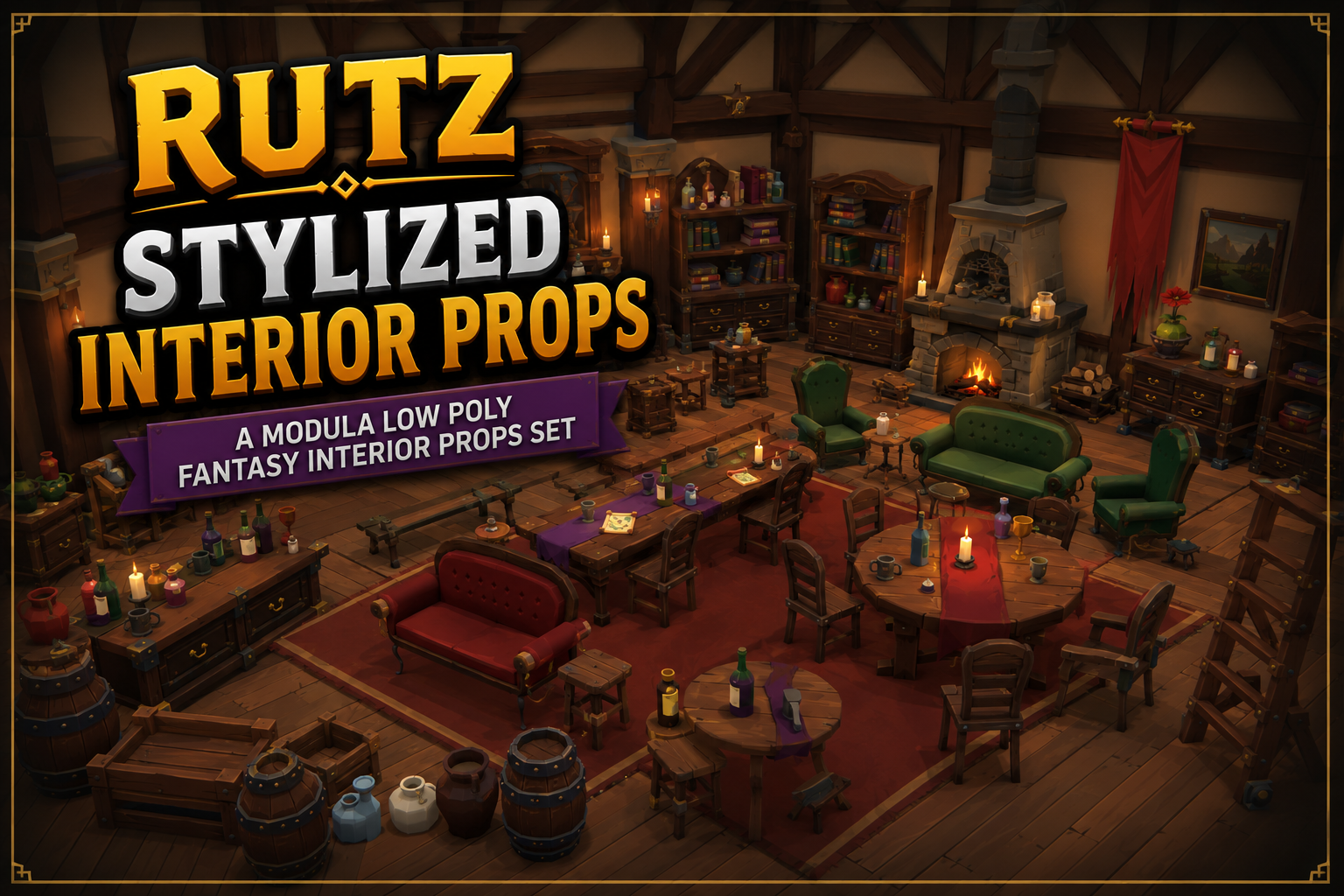
Fantasy Interior Set Dressing in Unity: Why Your Tavern Feels Empty
Empty fantasy interiors kill immersion. A practical guide to fantasy interior set dressing in Unity, plus the modular low poly prop pack that speeds it up.
Read more
Solo TTRPG Play: How to Run a Whole Campaign Without a Group
Solo TTRPG play explained: how oracles work, which systems to start with, and how to keep a campaign alive when you cannot get a group together.
Read more
Game Asset Documentation: The One-Page Quick Start That Prevents Refunds
Game asset documentation is the cheapest refund insurance you can buy. Here is the one-page quick start that gets a buyer running in five minutes.
Read more
Unity Multiplayer Netcode in 2026: Netcode for GameObjects vs Mirror vs FishNet vs Photon
Unity multiplayer netcode compared: Netcode for GameObjects, Mirror, FishNet, and Photon Fusion 2. What each really costs and which one fits your game.
Read more
Game Feel in Unity: Wiring Feel Feedbacks Into Game Creator 2 Visual Scripting
Your Unity game plays fine but feels flat. Here is how to fix game feel by wiring Feel MMF Players into Game Creator 2 visual scripting, no glue code.
Read more
TTRPG Dice Mechanics Explained: d20, 2d6, Dice Pools, and Escalating Dice
TTRPG dice mechanics explained: how d20 swing, 2d6 bell curves, dice pools, and ladder dice each change the way your table actually plays.
Read more
Store Branding for Game Asset Sellers: How to Build a Store Buyers Recognize on Sight
Store branding is why buyers recognize some asset sellers on sight. Build a consistent style, thumbnails, and naming that turn one sale into a store regular.
Read more
Level Blockout and Greyboxing: Design Your Level Before You Buy a Single Asset
Level blockout, or greyboxing, is how you design a level before spending on art. Tools, real metrics, and workflow for Unity, Unreal, and Godot.
Read more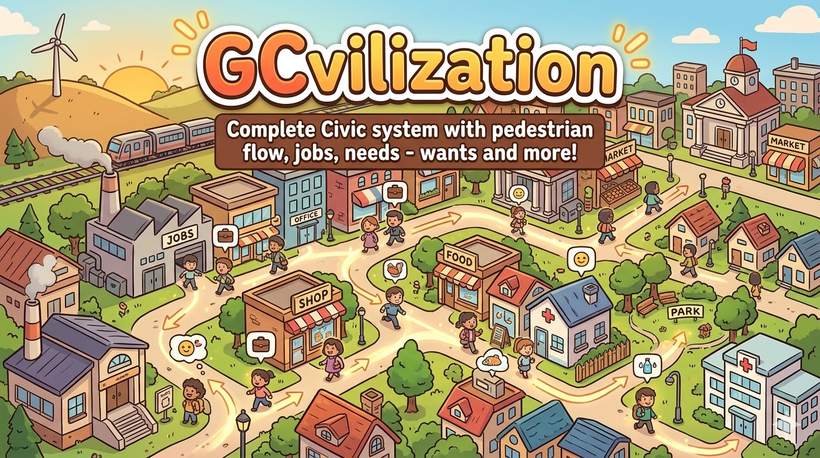
NPC Daily Schedules in Unity: Make Your Game Creator 2 Town Feel Alive (No Code)
NPC daily schedules in Unity, no code: GCvilization gives Game Creator 2 towns citizens with real needs, jobs, memories, and routines.
Read more
How to Prep Less and Improvise More as a GM (A Low Prep Guide)
Prep less and improvise more as a GM. What is actually worth writing down before a session, and the improv habits that carry the table when plans collapse.
Read more
Game Asset Licensing for Sellers: How to Write a License Buyers Actually Read
Game asset licensing scares sellers into copying walls of legalese. Here's what your license actually needs to say, in words a buyer can read in a minute.
Read more
Version Control for Game Dev in 2026: Git LFS vs Perforce vs Unity Version Control
Version control for game dev in 2026: what Git LFS, Perforce, Unity Version Control, and Diversion really cost, and which one fits your team size.
Read more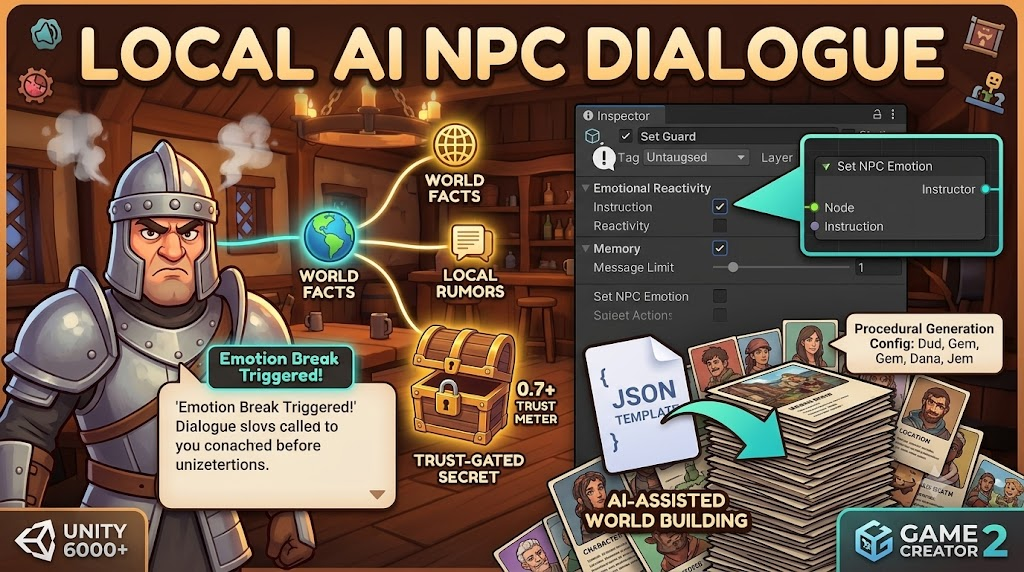
AI NPC Dialogue in Unity, Fully Offline: Real Conversations for Game Creator 2 Characters
AI NPC dialogue in Unity without API costs: this Game Creator 2 module runs a local model so NPCs talk, remember, and react fully offline.
Read moreSession Zero and Safety Tools: How to Start a TTRPG Campaign That Lasts
Session zero and safety tools explained: what to cover before your TTRPG campaign starts, which tools to use, and how to keep every player at the table.
Read more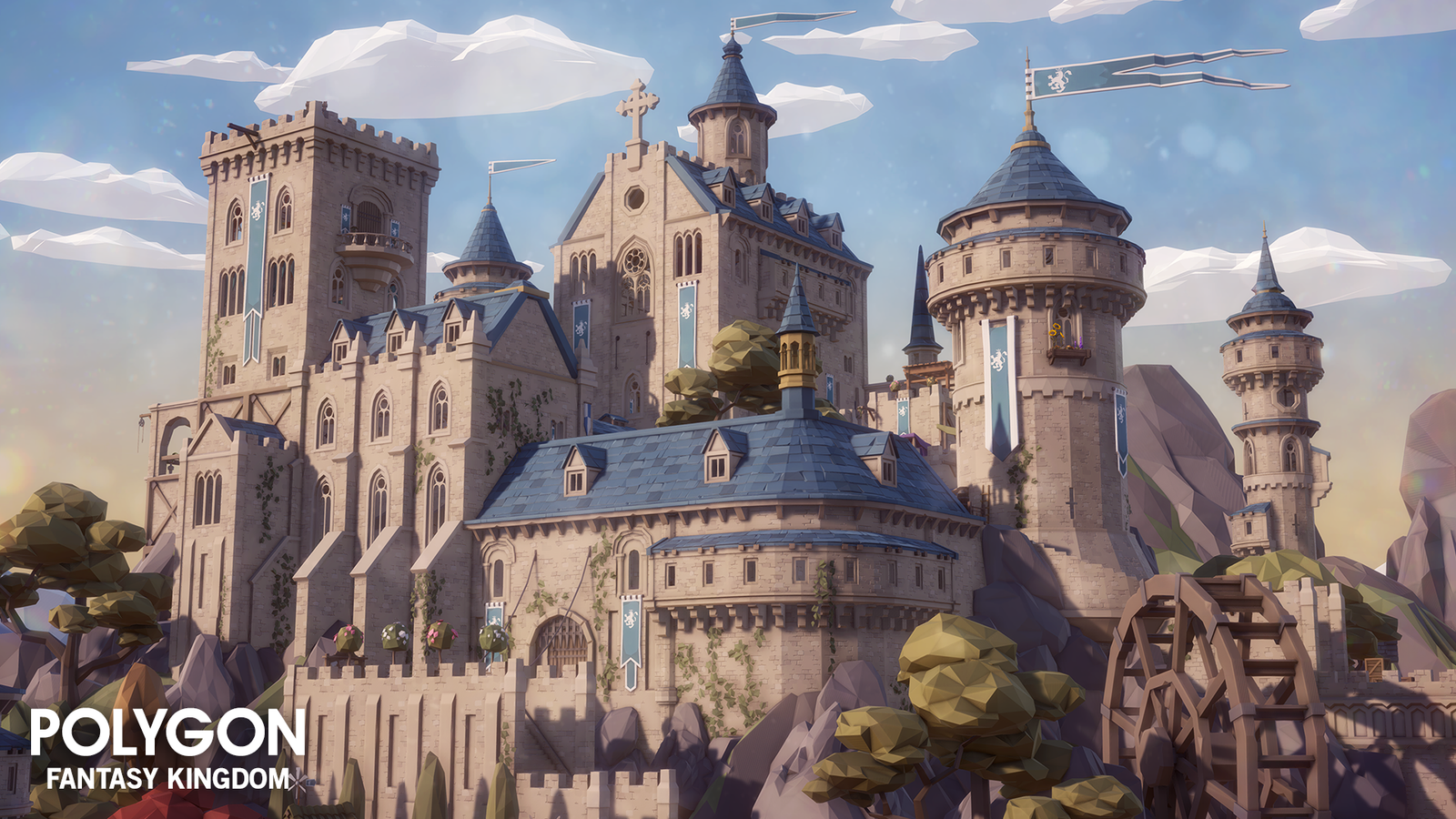
Repeat Customers for Game Assets: Turn One Buyer Into Ten Sales
Repeat customers are where asset income gets real. Build packs that fit together and one-time buyers start collecting your whole store.
Read more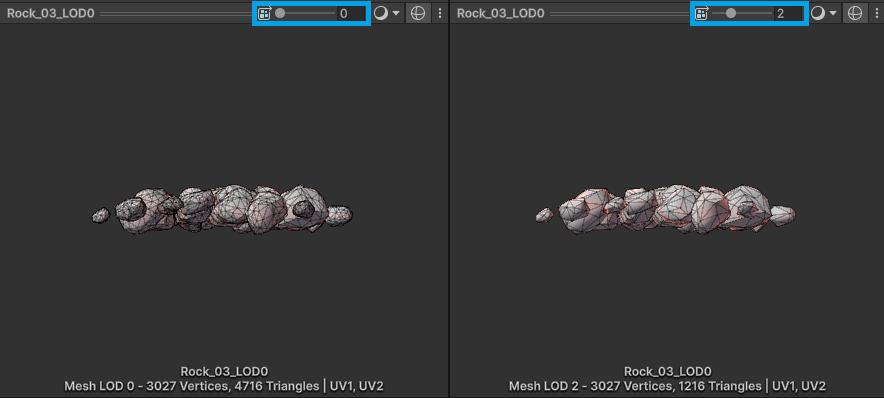
LOD in Unity Explained: LOD Groups vs the New Mesh LOD (and When to Use Each)
LOD in Unity, explained. How LOD Groups actually work, what Unity 6's new Mesh LOD changes, and the settings that cut triangles without visible popping.
Read more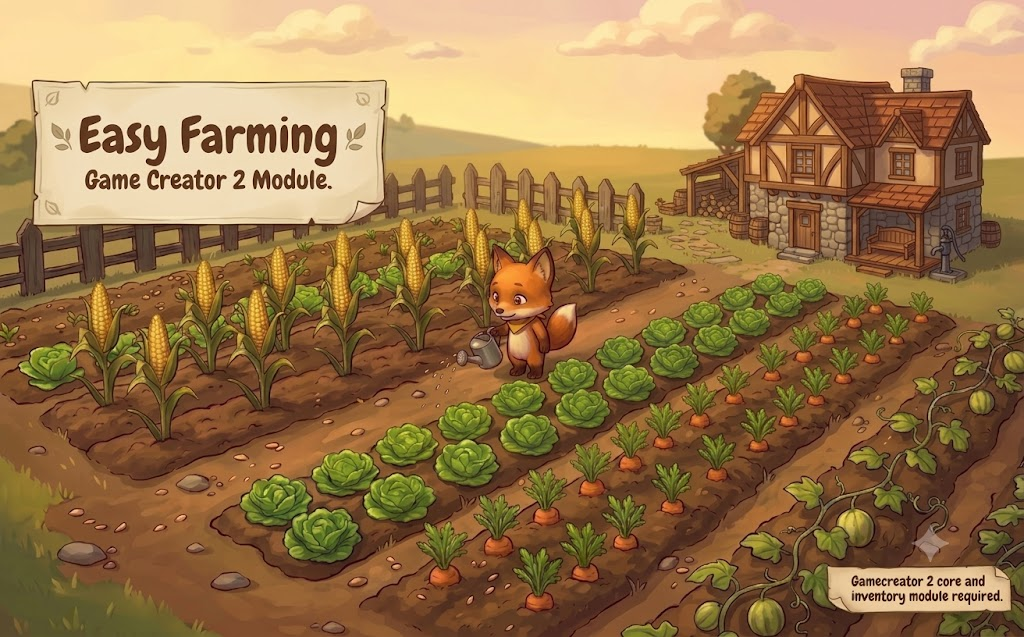
How to Add a Farming System in Unity with Game Creator 2 (No Code Required)
A farming system in Unity means crop states, timers, save data, and UI. Easy Farming for Game Creator 2 hands you the whole loop, no code required.
Read moreTabletop RPGs for Kids and Family: How to Run a Game Night That Actually Works
How to run tabletop RPGs for kids and family: the best kid-friendly systems by age, session lengths that work, and tips for a fun family game night.
Read more
How to Promote Your Game Assets on Social Media Without Being Cringe
Promote your game assets on social media without the cringe. Show the work, skip the hard sell, and turn idle scrollers into buyers.
Read more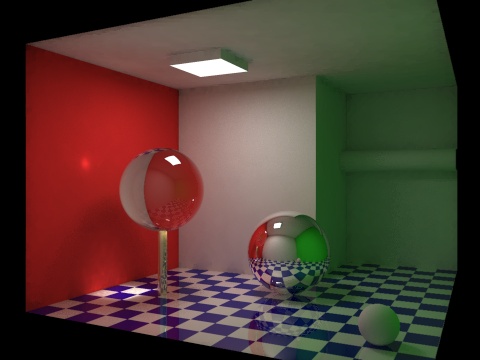
Baked vs Mixed vs Realtime Lighting in Unity: Which to Actually Use
Baked, mixed, and realtime lighting in Unity each trade quality for frame cost. How lightmapping and every lighting mode work, and when to use each.
Read more
How to Handle Refunds and Chargebacks on Your Game Assets
How to handle refunds and chargebacks on your game assets: why saying yes fast beats fighting, protects your payout account, and keeps buyers around.
Read more
Occlusion Culling in Unity: When It Actually Helps and When It Just Costs You
Occlusion culling in Unity can cut render cost or quietly make it worse. Here is how baked and GPU occlusion culling work, and when to use each.
Read more
Should You Run a Discord for Your Game Assets? An Honest Take for Sellers
Should you run a Discord for your game assets? Not until you have buyers. Here's when a seller Discord pays off, and when it just eats your week.
Read more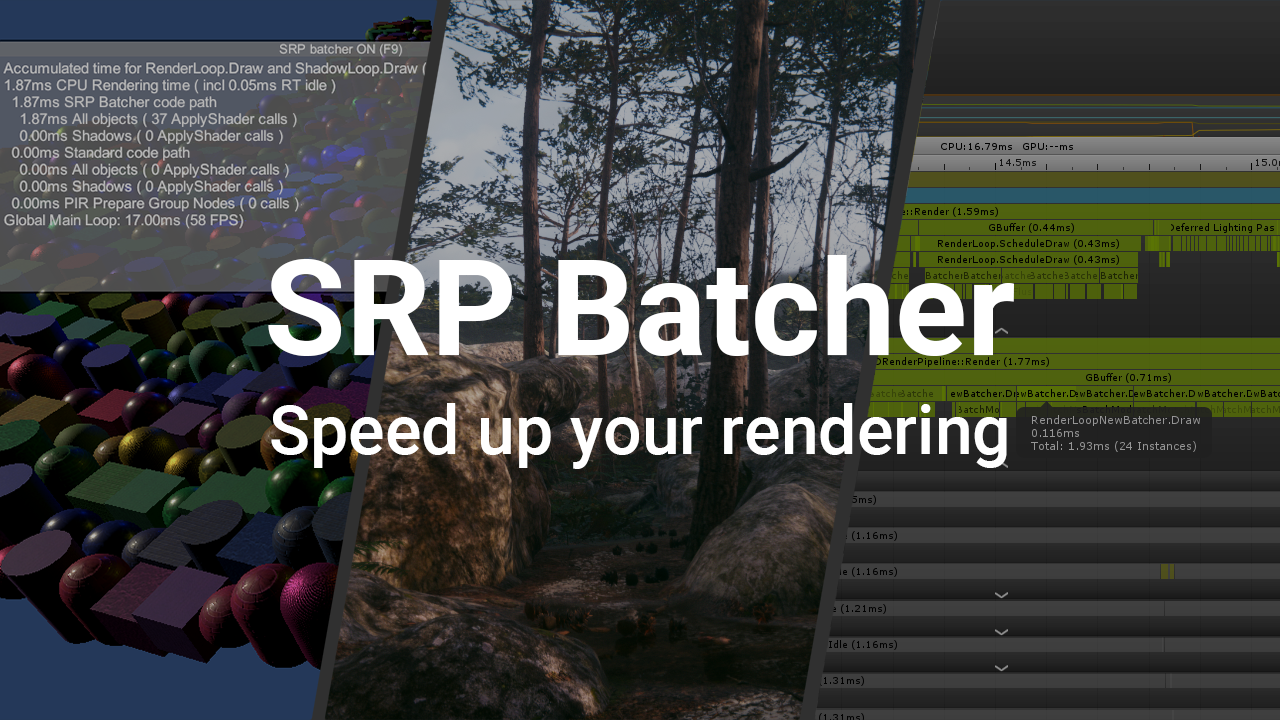
Draw Calls and Batching in Unity: How to Cut CPU Render Cost in 2026
Draw calls and batching in Unity decide your CPU render cost. How SRP Batcher, GPU instancing, and the GPU Resident Drawer actually cut it.
Read more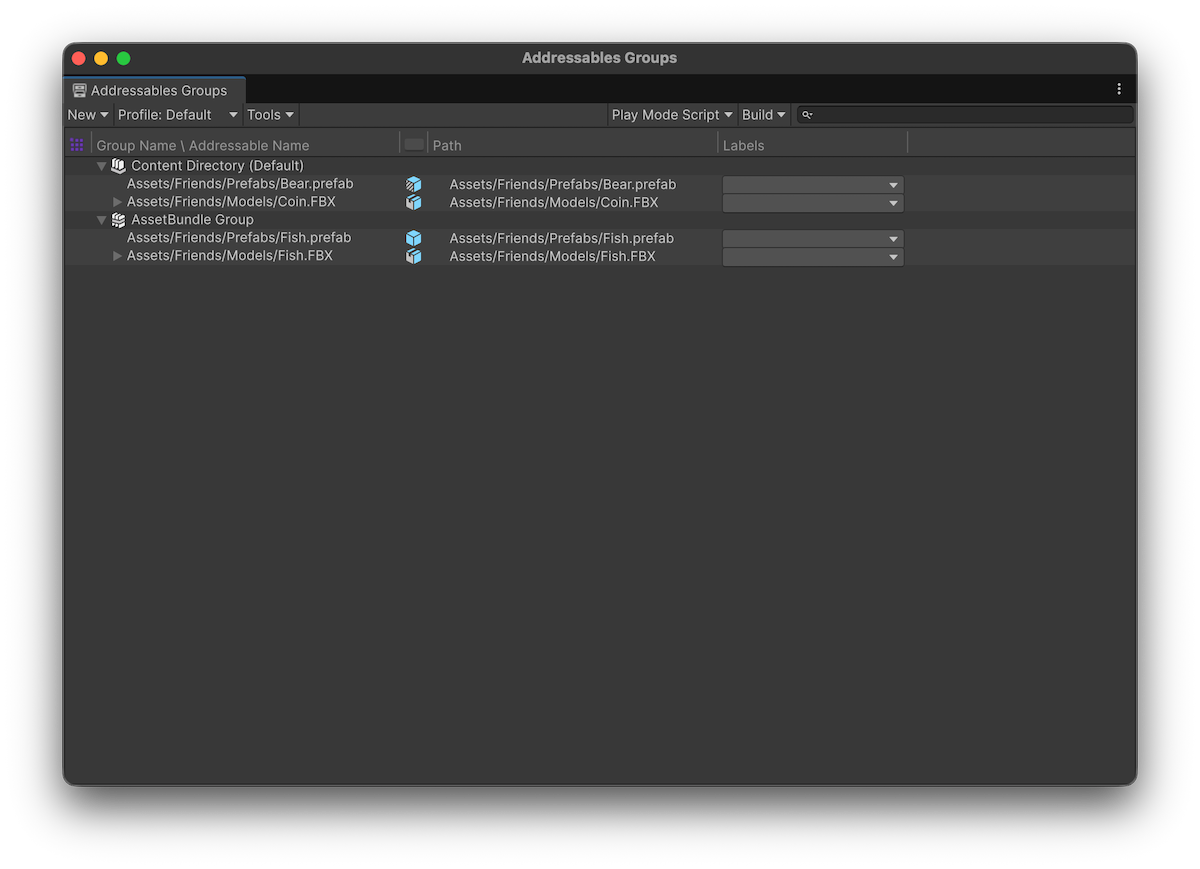
Unity Addressables Explained: Stop Using the Resources Folder and Fix Your Memory
Unity Addressables replace the Resources folder and fix runtime memory. Here is how addresses, reference counting, and Release actually work.
Read more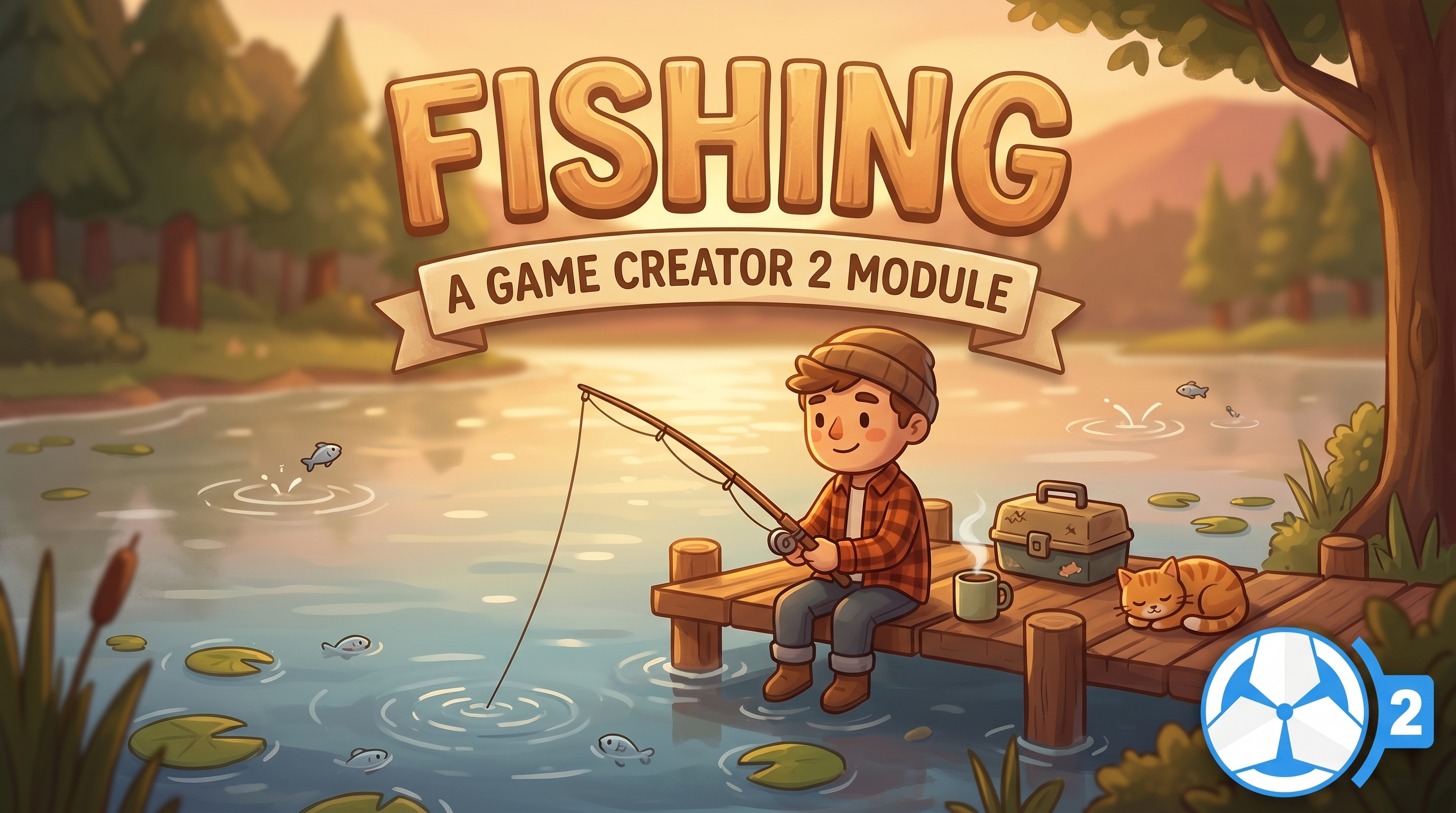
How to Add a Stardew-Style Fishing Minigame in Unity Without Writing Code
Add a Stardew-style fishing minigame to any Unity Game Creator 2 project with zero code, and skip the weeks it takes to build one from scratch.
Read more
Listing SEO for Game Assets: How to Get Your Store Page Found in Search
Great asset, zero traffic? Listing SEO for game assets is why. Here's how to title and tag your store page so buyers actually find it in search.
Read more
Retopology Explained: How to Turn a High-Poly Sculpt Into a Clean Game-Ready Mesh
Retopology turns a million-poly sculpt into a clean, animation-ready mesh. Here is how edge flow, quads, and poles actually work, minus the mystery.
Read more
Customer Support for Game Asset Sellers: The Fast Reply That Quietly Sells
Customer support is the cheapest marketing a game asset seller has. Here's how one fast, human reply turns buyer questions into reviews and repeat sales.
Read more
Texture Compression in Unity: ASTC vs BC7 vs ETC2 and What to Actually Use
Texture compression in Unity sets your VRAM, build size, and frame rate. When to use ASTC, BC7, ETC2, and Crunch, plus the defaults to steal.
Read more
Why Your Game Assets Need a Real Changelog (and How to Keep One)
Push an asset update with no changelog and you quietly bleed trust and refunds. Here's how to version your game assets and write notes buyers read.
Read moreHow to Run Your First TTRPG Session as a New Game Master
A calm, practical guide to running your first TTRPG session as a new game master. Prep less, hold a session zero, and keep the table having fun.
Read more
UV Unwrapping Explained: Seams, Texel Density, and Why Your Texture Looks Stretched
UV unwrapping is why your texture stretches, smears, or shows seams. Here is how seams, islands, and texel density actually work, minus the mystery.
Read more
Unity ScriptableObjects: What They Are and When to Actually Use Them
Unity ScriptableObjects fix scattered data, duplicate memory, and designers stuck waiting on code. Here is what they are and when to actually use them.
Read more
How to Get Reviews on Your Game Assets (Without Begging for Them)
Most asset stores sit at forty sales and two reviews. Here's how to get reviews on your game assets by asking at the one moment buyers say yes.
Read more
Object Pooling in Unity: How to Stop Instantiate From Wrecking Your Frame Rate
Object pooling in Unity kills the GC stutter from spawning bullets and enemies. Here is how to use the built-in ObjectPool class the right way.
Read more
How to Bundle Your Game Assets and Raise Every Sale
Selling one asset at a time caps your income. Here's how to bundle game assets into packs that raise your average sale without new traffic.
Read more
FBX vs glTF vs OBJ: Which 3D Model Format Should You Actually Use?
FBX vs glTF vs OBJ explained. Which 3D model format keeps your rig, materials, and scale intact in Unity and Unreal, and which one quietly breaks them.
Read more
How to Get Your First 10 Asset Sales When Nobody Knows Your Store
Your first asset sales are the hardest. Here's the one move that turns a dead listing into proof, momentum, and a store buyers actually trust.
Read more
URP vs HDRP in 2026: Which Unity Render Pipeline Should You Actually Pick?
URP vs HDRP in 2026: Unity is going all-in on URP while HDRP shifts to maintenance. Here is which Unity render pipeline to actually pick.
Read more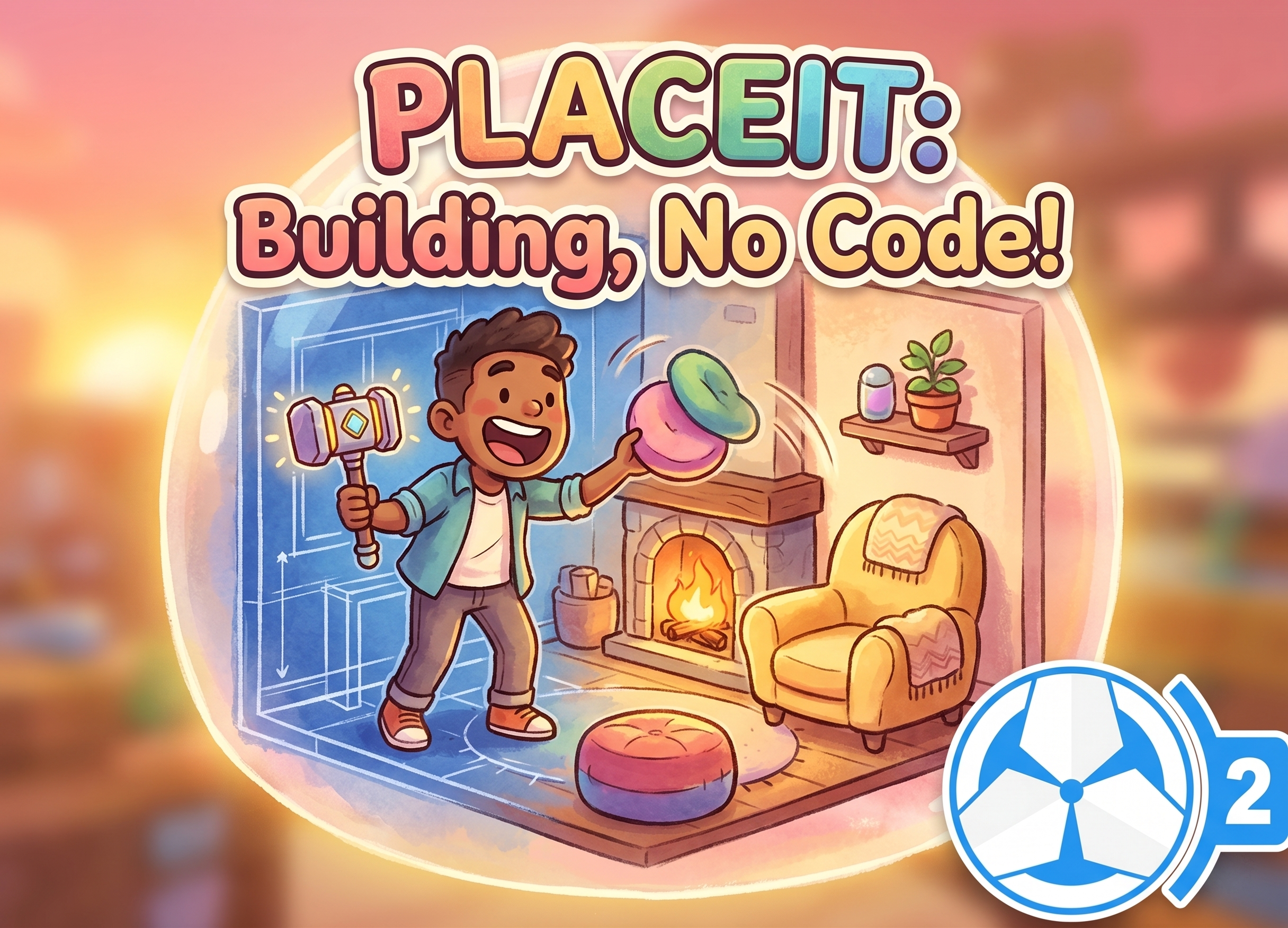
Object Placement in Unity: Let Players Build With No Code
Building an object placement system in Unity by hand eats weeks. Here is how to give players ghost previews, stacking, and snapping with zero custom code.
Read more
How to Price Your Game Assets Without Leaving Money on the Table
Underpricing your game assets feels safe and quietly caps your income. Here's how to price game assets for what the work is really worth.
Read more
Nanite and Lumen Explained: What They Actually Do in Unreal Engine 5 (2026)
Nanite and Lumen explained in plain terms: what they do in Unreal Engine 5.8, when to switch them on, and the gotchas that quietly tank your frame rate.
Read moreHow to Price Your Game Assets Without Racing to the Bottom
Pricing your game assets too low signals low value, not a deal. Here is how to price game assets to the time you save buyers, and keep more per sale.
Read more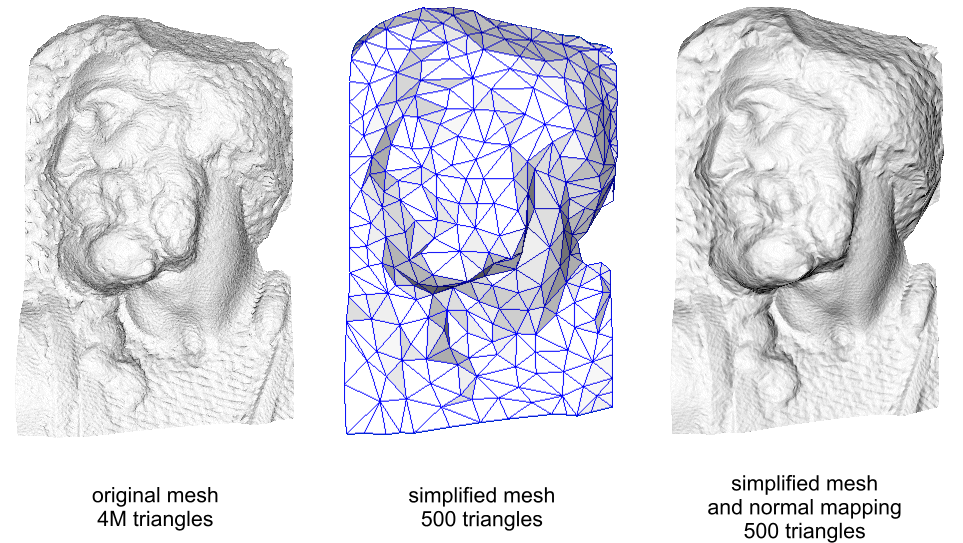
Normal Maps Explained: How They Fake Detail and Stop Breaking in Unity
Normal maps fake high-poly detail on cheap meshes. Here is how they work, plus the DirectX vs OpenGL green-channel flip that ruins them in Unity.
Read more
Faith-Based Tabletop RPGs: Is That Actually a Thing?
Faith-based tabletop RPGs sound niche, but they go back 40 years. Here is the real history of Christian TTRPGs and where the genre stands now.
Read more
Blender to Unity: Export Models Without Breaking Scale, Rotation, or Materials
Your Blender model lands in Unity 100x too big and lying on its face. Here is how to export from Blender to Unity with scale, rotation, and materials intact.
Read moreAsset Store Descriptions That Convert: How to Write a Listing That Actually Sells
Most asset descriptions read like a spec dump and convert like one too. Here's how to write store descriptions that actually sell.
Read more
How to Optimize Your Unity Game for Better Performance
Frame rate tanking on anything but your dev rig? Here's how to actually find and fix the bottlenecks slowing your Unity game down.
Read more
How to Make Game-Asset Thumbnails That Actually Sell
Your thumbnail does 80% of the selling before anyone reads a word. Here's how to light, frame, and polish asset thumbnails that actually convert.
Read more
Asset Marketplace Fees Compared: What Creators Actually Keep in 2026
A clear, no-spin comparison of what the major asset marketplaces actually take from creators in 2026. And why the headline percentage isn't the whole story.
Read more
Modular Environment Kits: How to Build Levels 10x Faster
Modular kits are the secret behind how small teams build huge worlds fast. Here's how they work, what makes a good one, and how to avoid the seams-and-grid…
Read more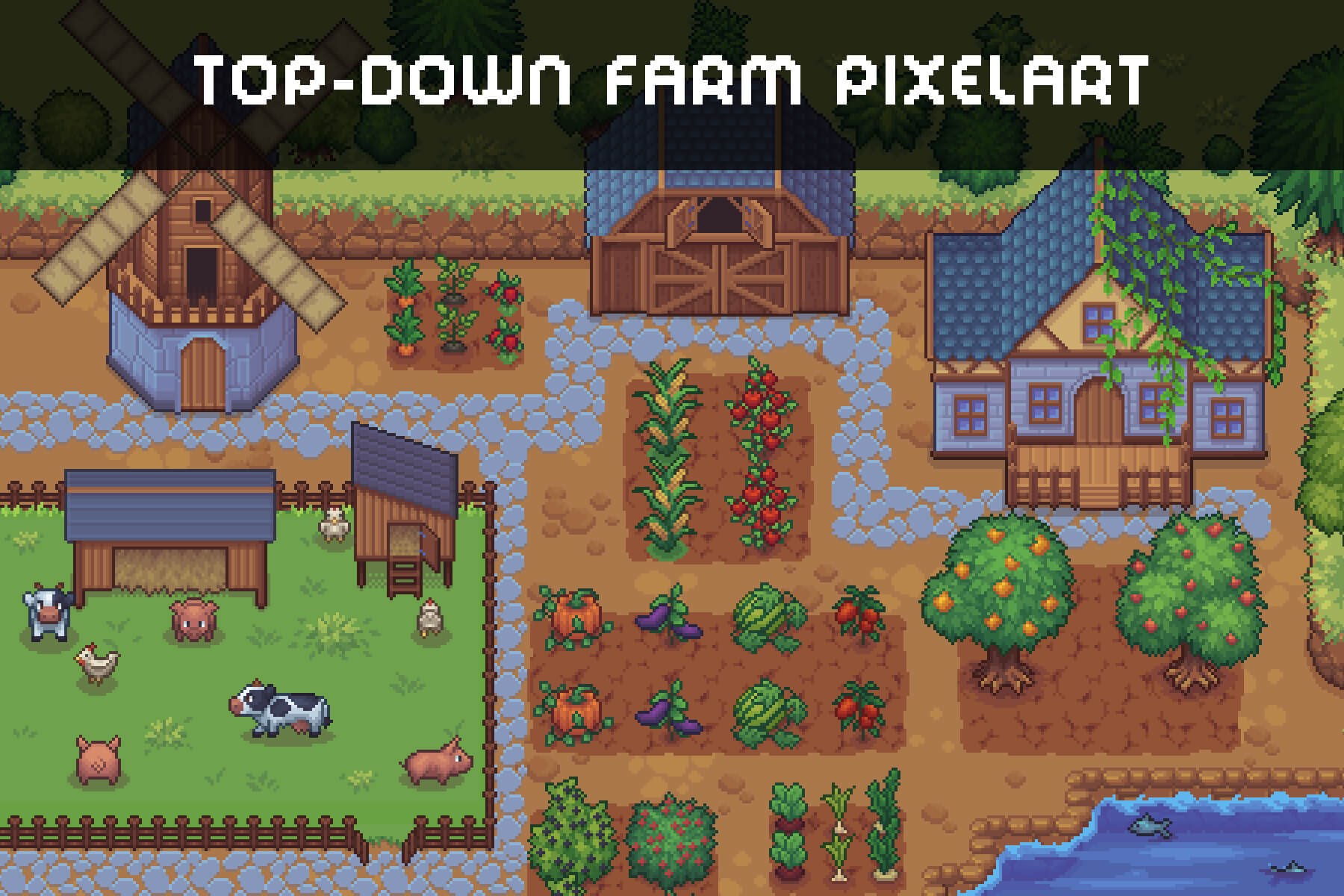
Building Your First Game? Here's Which Assets to Buy First
A practical shopping order for your first game. What to buy first, what to wait on, and what to never pay for early. Stop blowing your budget on the wrong…
Read more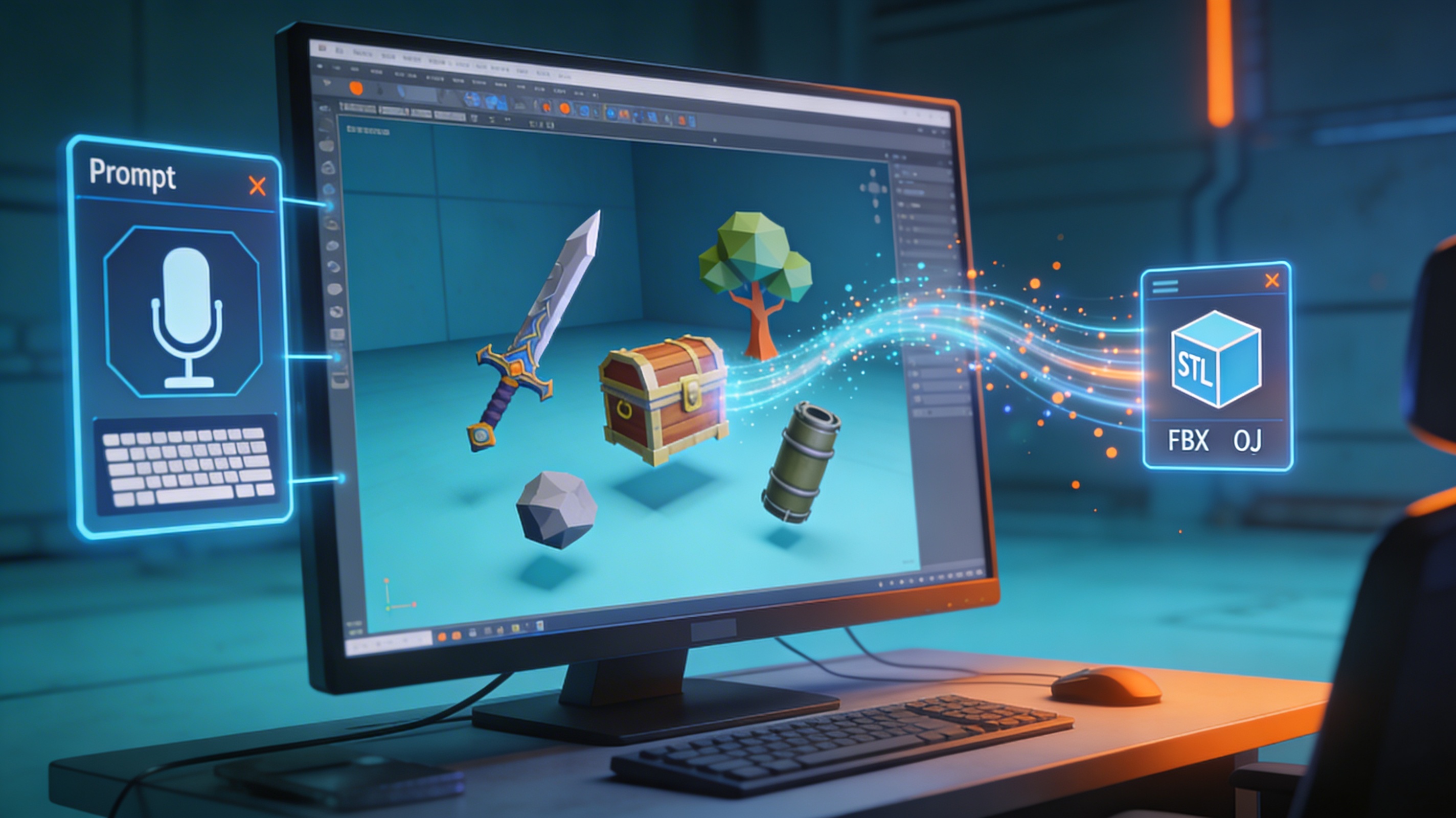
AI-Assisted Game Assets: Are They Actually Worth It in 2026?
AI can spit out a 3D asset in seconds. But is it shippable? The honest take on quality, the topology problem, copyright, and where AI actually fits in a…
Read more
What 'Game-Ready' Actually Means (PBR, Topology, Rigging, LODs Explained)
'Game-ready' gets slapped on everything. Here's the real checklist. Topology, UVs, PBR maps, polycount budgets, rigging, and LODs. So you know what you're…
Read more
Unity vs Unreal vs Godot in 2026: Which One Should a Beginner Actually Pick?
An honest, no-fanboy breakdown of Unity, Unreal, and Godot for beginners in 2026. What each is actually good at, and how to stop engine-shopping and start…
Read more
How to Sell 3D Models and Game Assets in 2026 (A Creator's Field Guide)
What actually moves units when you sell 3D models and game assets. Listings, pricing, fees, and the stuff that separates a $50/month hobby from real income.
Read more
Low-Poly vs Realistic: Which Art Style Should Your Game Actually Use?
Low-poly vs realistic isn't about taste. It's about your team size, your target platform, and how long you want to be in production. Here's the honest…
Read more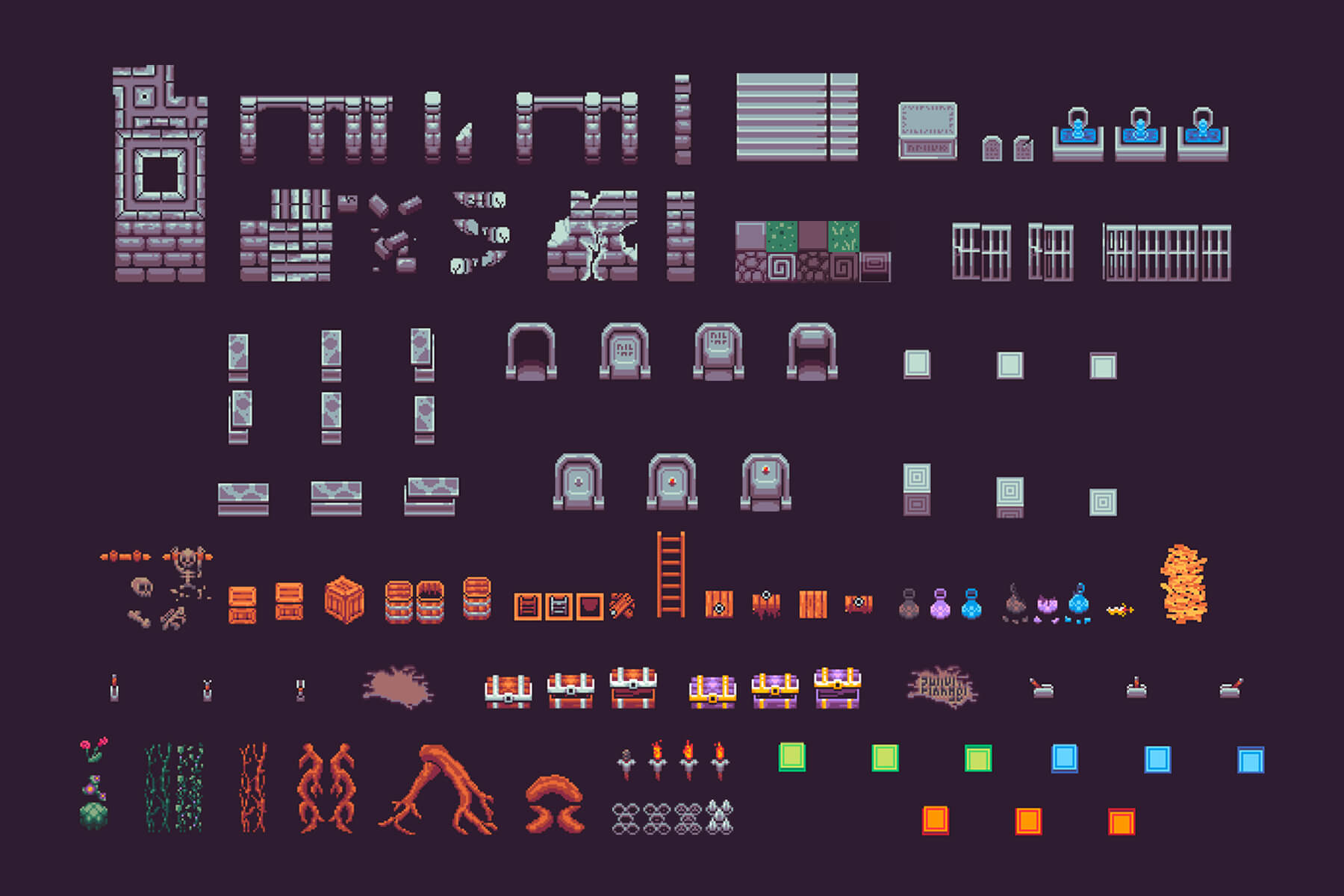
Free vs Paid Game Assets: When Each One Actually Makes Sense
Free assets aren't always the cheap option and paid isn't always worth it. Here's how to actually decide. And the licensing trap that bites everyone.
Read more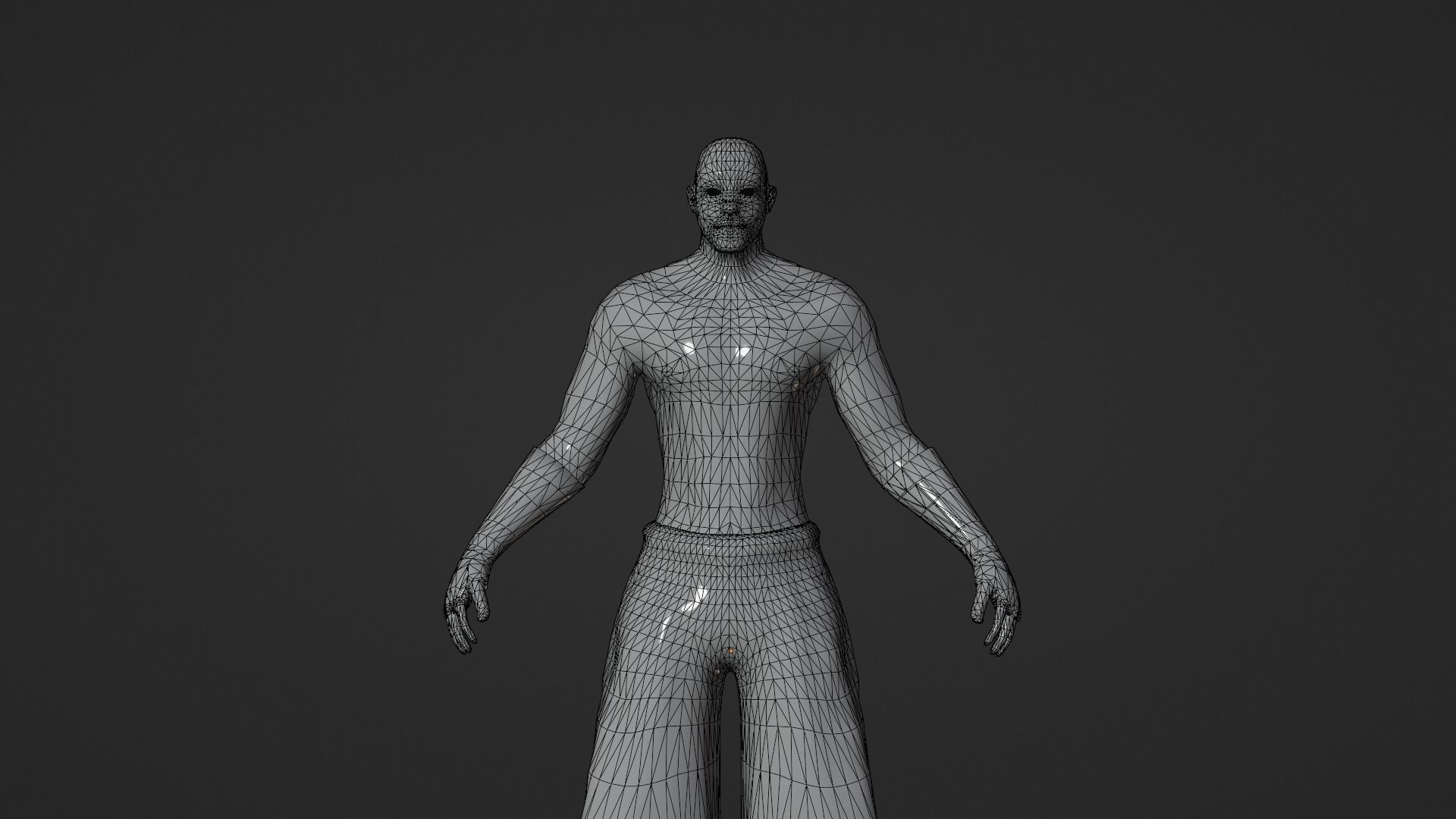
Where to Buy Game-Ready 3D Characters for Unity (Without Getting Burned)
A no-nonsense guide to buying 3D characters that actually drop into Unity and animate. What to check before you pay, and where to look.
Read more