Free vs Paid Game Assets: When Each One Actually Makes Sense
Let's kill the dumb version of this debate first. "Just use free assets, you're indie" and "free assets look like trash, always pay" are both wrong, and both will cost you. The real answer is that free and paid solve different problems, and the trick is knowing which problem you've got right now.
I've shipped prototypes built almost entirely on free packs, and I've also spent real money on a single character because nothing free came close. Neither was the wrong call. Here's how to tell them apart.
A free asset that needs three hours of cleanup is not free.
When free is exactly right
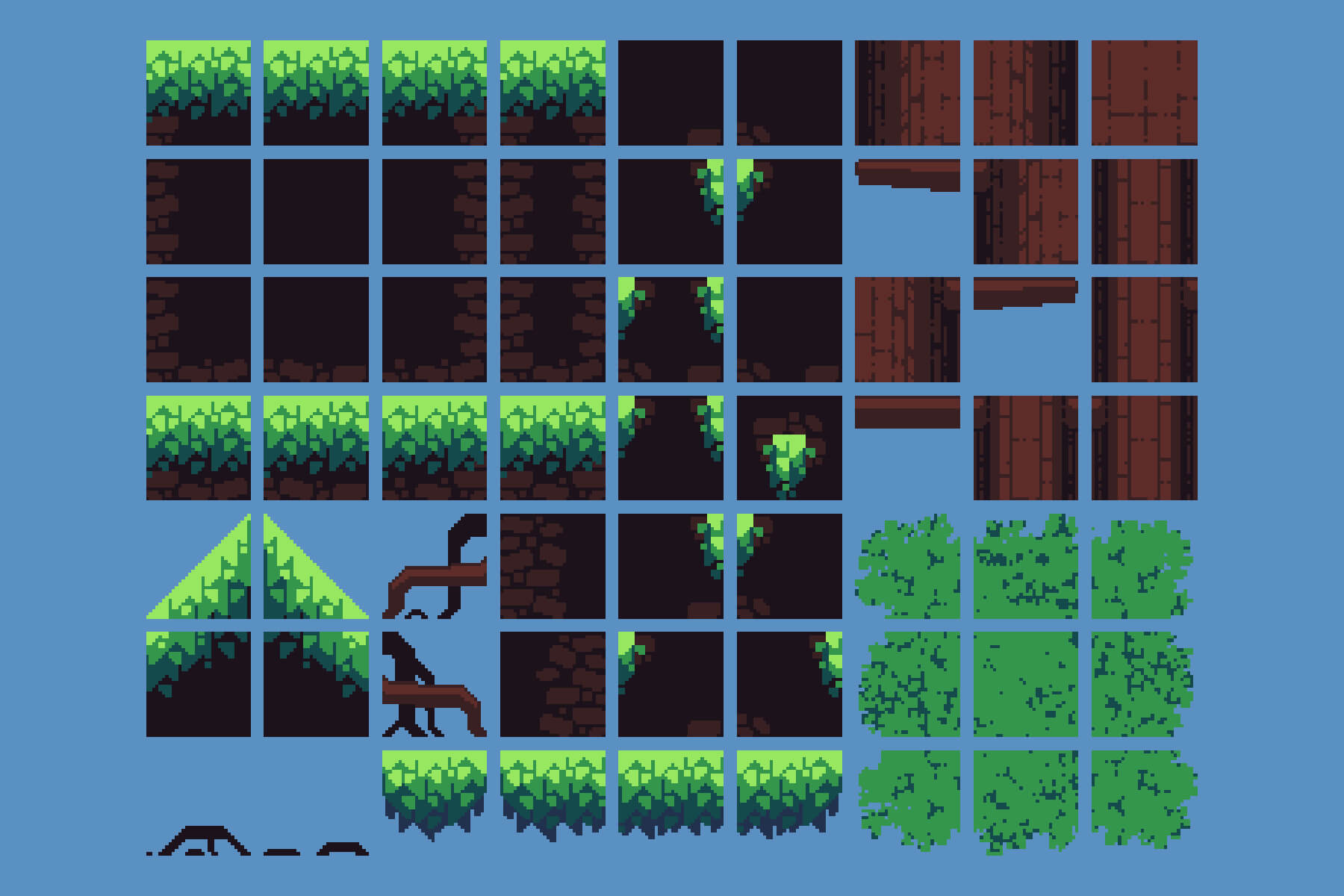
Image: via itch.io
Free assets are fantastic for a few specific jobs, and you should not feel one ounce of guilt using them:
Prototyping and greyboxing. When you're testing whether a mechanic is fun, the art doesn't matter. Grab Kenney packs, free Synty-style kits, whatever. Block the level, prove the loop, move on. Spending money on art before you know the game is fun is the classic first-timer mistake.
Learning. If you're following a tutorial or figuring out how the import pipeline works, free is the obvious move. You're going to delete it anyway.
Filler you'll replace. Placeholder UI, temp sound effects, a stand-in player capsule. Nobody cares.
The free ecosystem is genuinely huge. Itch.io alone has thousands of solid free packs, and "free game assets" is one of the most-searched terms in the whole space for a reason. There's no shame in it.
Where free quietly costs you
Here's the part nobody mentions in the "just use free" advice. Free has hidden costs that show up later, usually at the worst time.
The "everyone has this" problem. Popular free packs are everywhere. Players have seen that exact Kenney robot and that exact free zombie a hundred times. The second your game looks like fifty other jam games, you've got a marketing problem you can't patch.
Licensing landmines. This is the big one. "Free" does not mean "do whatever you want." Some free assets are CC0 (truly do-anything). Others are CC-BY (you must credit, correctly, or you're infringing). Some are free for non-commercial only. And if you ship a paid game with one in it, you're exposed. Some "free" Sketchfab models were never the uploader's to give away in the first place. If you can't tell exactly what license an asset is under and what it requires, treat it as unusable for anything you'll sell.
Zero support and no updates. Engine updates break things. A paid asset from an active seller gets patched. A random free download from 2021 gets nothing. When it breaks on the new Unity version, that's your problem now.
Time is the real price. A free asset that needs three hours of cleanup, retexturing, and rigging fixes is not free. Your time has a value even if you're not paying yourself a salary yet.
When paid earns its keep
Paid assets aren't about prestige, they're about three things: uniqueness, finish, and time.
Anything the player stares at. Your main character. Your hero environment. The weapon on screen 90% of the time. These define how your game feels, and "good enough" free rarely cuts it here. This is where a paid, polished, properly-rigged asset pays for itself.
Cohesive packs. A paid kit built by one artist in one consistent style beats five free assets bolted together that all clash. Art direction is a feature, and consistency is most of it.
When the clock matters. If you're on a deadline. A launch, a publisher demo, a funding milestone. A $40 pack that saves you two days is one of the cheapest things you'll ever buy.
And the underrated bit: paid usually comes with a clear commercial license. You know you can ship it. You know whether it's one-seat or studio-wide. That certainty is worth money on its own when there's revenue on the line.
A simple rule of thumb
Here's the mental model I use:
- Will the player look directly at it? → Lean paid.
- Is it temporary / placeholder / learning? → Free is fine.
- Is it going in a commercial build? → Whatever you pick, nail the license first.
- Does free need more than an hour of fixing? → It was never free.
Most real projects end up mixed: free for the scaffolding, paid for the spotlight. That's not a compromise, that's just being smart with a budget.
The marketplace part
The annoying thing about free is that vetting the license is on you, every single time. The good thing about a curated paid marketplace is that the commercial license is spelled out and the seller is accountable. On DevLoot, listings carry their license terms and creators are verified, so "can I actually ship this?" has an answer you can point to. Which matters a lot more once there's money attached to your game.
Buy the spotlight, borrow the scaffolding, and read every license like it's a contract. Because it is.
Shopping for the pieces players will actually stare at? Browse DevLoot assets →
Related reading
Hero image: via CraftPix